
The Future of Nepal’s Tourism Is Responsible Travel

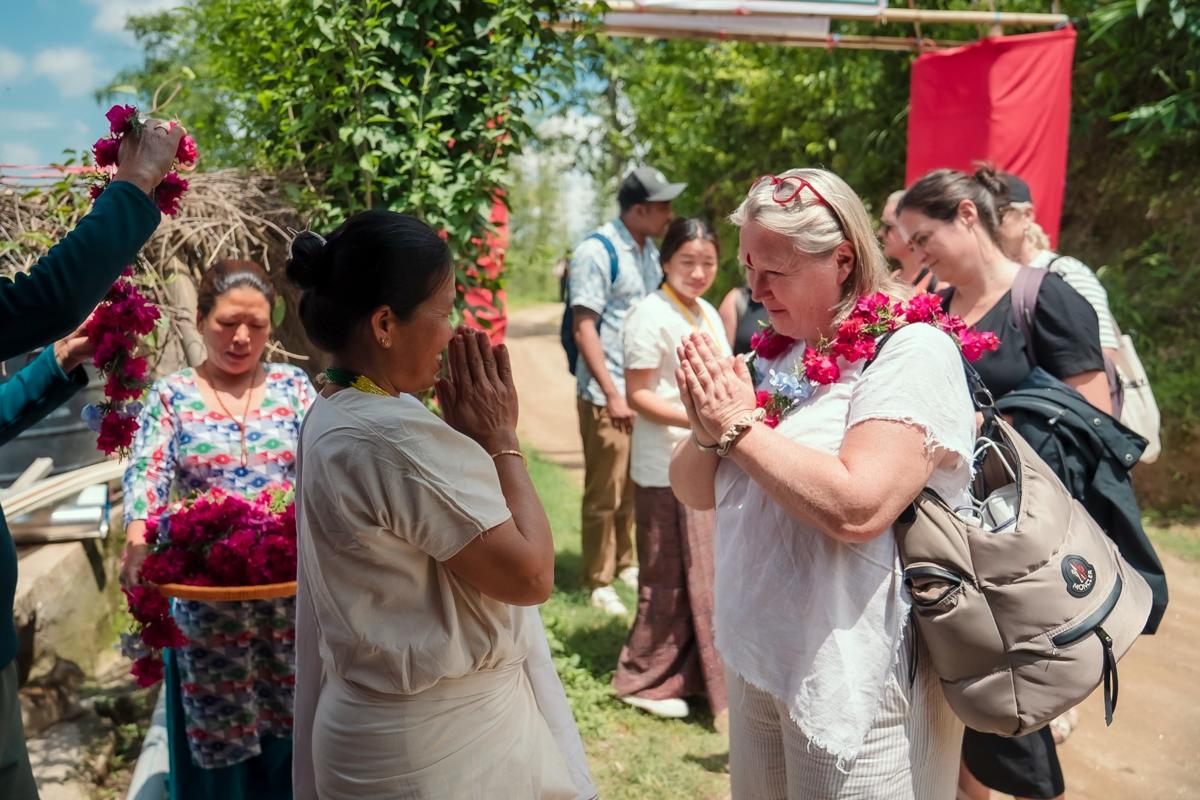
Photo Credit: Community Homestay Network
Skift Take
How the Dhankuta region is using community tourism to empower local people and drive economic growth.
Nepal is at a pivotal moment in how it defines tourism and implements strategies to protect its resources and benefit local communities.
Following elections in March, political attention has turned toward tourism, cultural preservation, infrastructure development and rural economic growth. There is a clear ambition to diversify destinations beyond well-known trekking circuits and backpacker hubs, and to reposition tourism as an engine for economic development.
The most important shift, however, is already happening from the ground up. Across Nepal, communities are building tourism models that prioritize local ownership, cultural continuity and environmental care. In many cases, they are moving ahead of the policy and investment frameworks designed to support them.
At the intersection of policy ambition and community innovation lies a rare opportunity: to scale tourism in a way that is economically transformative, socially equitable and rooted in local realities.
Community-led models, such as those championed by Community Homestay Network (CHN), can help bridge policy goals with the realities of daily life, ensuring tourism benefits the people and places that sustain it.
If aligned effectively, this moment could move Nepal away from an extractive, arrival-driven model toward one that strengthens local economies, identities and ecosystems. Nepal has often been affected by “zero-dollar” tourism — a dynamic that must change.
What We Can Learn From Dhankuta
In the hill town of Dhankuta in eastern Nepal, evenings don’t end with staged cultural shows, they begin on foot.
Sabita Shrestha, a Newar community member and newly trained local guide, now leads visitors through her hometown. On the “Dhankuta Orange Town Heritage Walk,” she guides travelers past rows of orange-painted houses, pointing out a spring pond helping to revive the town and sharing the history of ancestral homes and local culture.
She ends the experience in her backyard with a cup of Nepali chiya (milk tea), a space her family has cherished for generations.
“At first, I wasn’t sure about guiding visitors,” she says. “But now, walking these paths with travelers, everything that once seemed ordinary to us suddenly feels meaningful.”
This shift — from ordinary to meaningful — is redefining tourism in Nepal. Beyond the Himalayas, towns like Dhankuta show that food, Indigenous culture, water conservation, and women-led enterprises can anchor responsible tourism, strengthen local economies, and safeguard heritage.
A Living Prototype of Community Tourism
Dhankuta offers an example of how tourism can grow from everyday life rather than external, top-down planning.
Once a quiet administrative town, it has become a community-driven destination where Indigenous Aathpahariya and Newar women operate homestays, guide visitors, produce handicrafts, and share traditional food. Dozens of female-led homestays now generate household income, reduce rural-to-urban migration, and shift economic power locally.
Women-led tourism has also become a defining characteristic of Dhankuta’s identity.
The Community Homestay Network model emerged from urgent local challenges, including declining agriculture and water stress linked to climate change. In partnership with the municipal government and the HI-GRID project, funded by the Australian government, communities have developed a tourism model that keeps income local, safeguards cultural heritage, and protects vital water resources.
Improved water access has allowed households to expand homestays, enhance hospitality offerings, and turn resilience investments into sustainable livelihoods.
At the same time, new opportunities — particularly in guiding — are encouraging more young people to stay, contributing to local economies and preserving Indigenous culture rather than migrating to cities or abroad.
A stay in Dhankuta offers a direct experience of local life. In winter, travelers can take part in seasonal harvests, such as orange picking. Guests can learn to make tapari, traditional leaf plates, and prepare dishes like wachipa, a Kirat Rai specialty made from rice, minced chicken, and a distinctive spice blend. Paired with tongba, a fermented millet drink, these experiences offer a deeper connection to local culture.
Learnings for the Global Travel Industry
Nepal is home to 142 distinct caste and ethnic groups, and its culinary traditions reflect that diversity. Every meal tells a story, offering insights that extend far beyond the Himalayan peaks that often dominate perceptions of the country.
This challenges the narrative of Nepal as only a mountain destination, revealing a broader landscape of cultural, culinary, and historical experiences. Through direct engagement with local communities, travelers gain a deeper understanding of the traditions, knowledge, and care behind each experience.
Tourism is a multi-trillion-dollar global industry, yet many of the communities that shape it still lack equitable access to its benefits.
Building sustainable community tourism requires more than establishing local experiences. It depends on a broader ecosystem: partnerships with tour operators, engagement with media and travel trade, and diversified distribution strategies. Ongoing product development and market testing are also critical to ensure experiences remain both authentic and commercially viable.
This reflects a shift from isolated, impact-driven initiatives toward structured, market-connected models that can compete within the global tourism landscape.
Initiatives such as CHN’s planned fixed-departure itineraries for 2026, alongside expanded distribution strategies, represent steps toward positioning community tourism as not just an ethical choice, but a viable and scalable segment of the industry.
This distinction matters. It signals a broader shift from viewing destinations as products to understanding them as living systems.
Hope for the Future of Tourism in Nepal
Nepal is navigating a critical moment between national ambition and community-led innovation. While proposed policies emphasize responsible tourism, infrastructure, and rural development, much of the most meaningful progress is already happening on the ground, in places like Dhankuta.
The opportunity now is to ensure that future policy supports and scales these models.
Looking ahead, tourism should be measured not only by visitor numbers, but by what it sustains: water sources, cultural heritage, women-led livelihoods, and intergenerational knowledge.
Destinations are not passive stages. They are living systems that co-create experiences with visitors while strengthening local economies and preserving heritage.
As travelers increasingly seek more meaningful and authentic experiences, future growth will likely come from communities that are deeply rooted in their local context, inclusive in their approach, and intentional in what they offer.