
Insight From the C-Suite: Monica Melancon, CHRO, Wyndham Hotels & Resorts
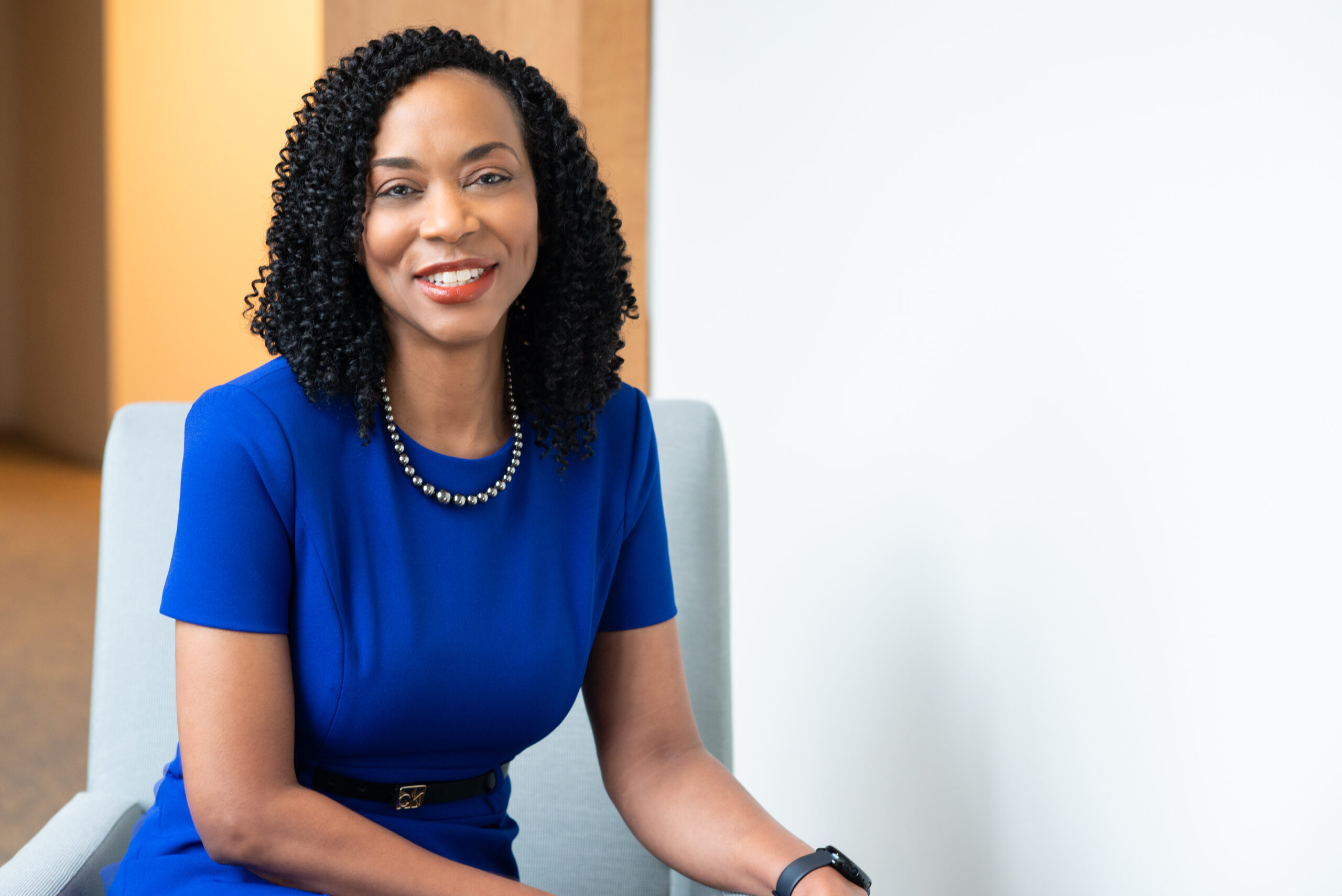
As part of a new, members-only series, Women Leading Travel & Hospitality is asking industry executives about their professional journeys, mentorship, how they stay up-to-date on the latest technology and trends, how they take care of themselves, and so much more. This week, insight comes from Monica Melancon, chief human resources officer, Wyndham Hotels & Resorts.
Can you share a specific instance where you successfully navigated a major change or challenge, highlighting the key lessons learned and how they shaped your leadership approach?
I’ve learned many lessons from the changes and challenges I’ve encountered over the course of my career. In reflecting, the COVID-19 pandemic stands out as one of the most significant. Not only was this a workplace issue that required us to simultaneously assess, implement and change basically
every practice and policy we had in place, but it was also very personal. From having limited time to make crucial decisions to navigating how to problem solve with many different opinions on the matter, the pandemic helped me to sharpen two of my most utilized skills: pragmatism and proactivity. These unprecedented circumstances forced me to quickly analyze the ever-changing information we had access to, consider how to proactively get ahead of issues and concerns where we could, and manage communication to team members globally in a way that was effective but sensitive. At Wyndham we talk about our strong culture often, and it’s because we care about our people. The pandemic reinforced that commitment to our people. We did what we could to keep them safe, motivated and engaged — and doing so with an open mind and an optimistic perspective even when it challenged my own experiences. I’m happy to say that as we’ve since returned to our “new normal”, our Wyndham culture and core values continue to be at the center of all we do. The lessons I learned in the process have helped to make our team even stronger.
How have mentorship and sponsorship played a role in your professional development, and how do you actively engage in cultivating talent within your organization?
I’m a firm believer in “paying it forward”. It’s why I prioritize cultivating relationships with talent inside and outside Wyndham. As a leader, there’s no greater gift I can give to another person than to spend time with them and help shape their career path or achieve their personal goals. I believe that because it’s something I’ve experienced myself. Many of the principles I hold onto as a leader today came from mentors who have invested their time in me. It requires honesty and transparency, mutual dedication and flexibility — even if that means changing the relationship as development progresses.
Sponsorship goes even further. It requires dedication to someone’s career and a commitment to being their advocate. That’s why I’m passionate about getting to know the talent that joins our team and speaking up when I can. I want to see them grow, evolve and succeed at Wyndham. We’re a global business, and investing in our people is what makes us strong. When you put that kind of time into team members, we really succeed as an organization. I’ve had mentors and sponsors who trusted in my capabilities and provided me with experiences that ultimately led me to where I am today. I’m eternally grateful to those people. They impacted my career and I still try to thank them because those are the relationships that are most important to foster.
How do you maintain a healthy work-life harmony, and what strategies do you employ to prioritize your well-being amidst high-level responsibilities? How do you ensure your team does the same?
There’s not a one-size-fits-all approach to work-life integration, as I like to call it. Everyone has different values, goals and aspirations that impact their career and personal lives. That’s why leaders must get to know their teams and be open to their ideas and feedback. Even more important, leaders must not only set the expectation that work-life integration is a priority, but also lead by example. I personally gave up trying to balance work and life early in my career. Instead, I’ve worked extremely hard to be fully engaged in life when I can step away from work. Whether it’s committing to my workout regimen, dedicating time to give back to the community with my husband, or even taking a timeout to do a jigsaw puzzle — because I LOVE a good challenge — I work hard to protect my time and respect it when my team members do the same. One of our core values at Wyndham is fun, and I often remind everyone that “all work and no play” doesn’t represent who we are as a company. As a hotel company, we foster experiences for our guests in some of the most desirable places around the world, and it’s so important that we give our team members time to have enriching experiences both inside and outside work.
How do you stay informed about industry trends and emerging technologies, and what role does continuous learning play in your ongoing personal and professional development?
I’m a learner at heart. I thrive on seeking information, unique perspectives and new ways to deliver results for my team. One of my favorite things is attending industry conferences or HR events to learn more about ever-developing topics like AI in the workplace or HR data analytics tools and technology, to name a few. Being a continuous learner always surprises me because I expose myself to strategies and solutions I wouldn’t otherwise consider on my own. I also believe forging relationships is so important to professional development. Building a network unlocks opportunity and opens the door to meeting those mentors and advocates who can change your personal and professional path for the better.
Are you a C-suite woman executive in travel and hospitality? We’d love to feature you! Reach us at wlt@skift.com.