
Insight From the C-Suite: Monica Xuereb, Chief Commercial Officer, Loews Hotels & Co.
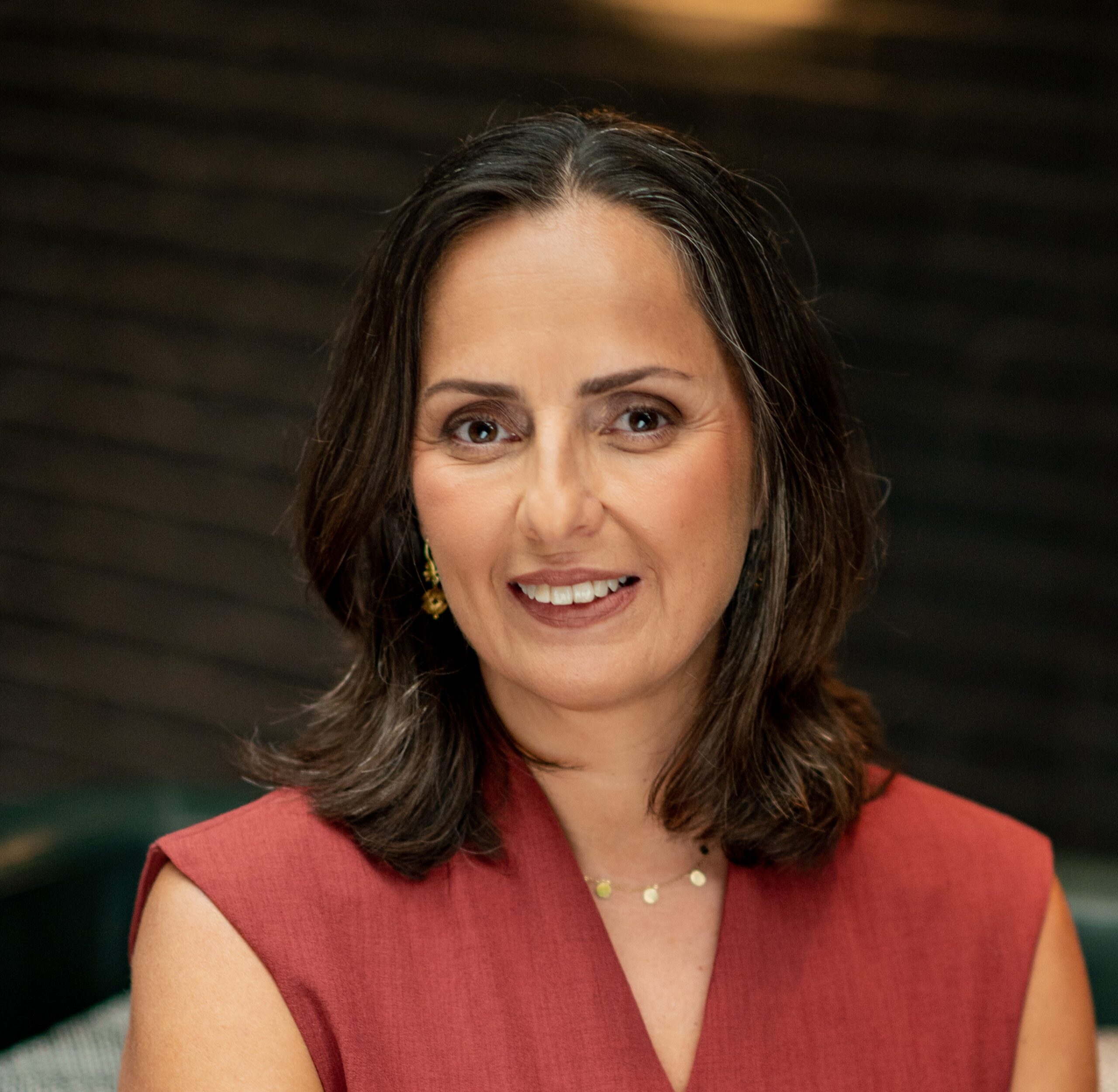
As part of a new, members-only series, Women Leading Travel & Hospitality is asking industry executives about their professional journeys, mentorship, how they stay up-to-date on the latest technology and trends, how they take care of themselves, and so much more. This week, insight comes from Monica Xuereb, chief commercial officer, Loews Hotels & Co.
Can you share a specific instance where you successfully navigated a major change or challenge, highlighting the key lessons learned and how they shaped your leadership approach?
In 2010, after a 17-year career with Marriott and Ritz-Carlton, my position was eliminated. At the time, I was working with Ritz-Carlton as the vice president of revenue management and the company culture was very much part of my personal identity. It was difficult to think about not waking up every day and living our credo and the employee promise. But as my husband noted, it was good for me to get kicked out of the nest, as I never would have left on my own. I realized this was an incredible opportunity for me to do something completely different and start my own consulting company, which was very successful. Some of the key lessons learned include believe in yourself and trust in your capabilities, and use this as an opportunity to adapt and bounce back stronger. Embracing change and being adaptable are vital skills for many situations. Keep moving forward!
How have mentorship and sponsorship played a role in your professional development, and how do you actively engage in cultivating talent within your organization?
Mentorship and sponsorship have played an important part in my life as a hospitality professional. I’ve had the privilege of several informal mentors, both men and women that have played critical roles for my development, especially at significant career junctures. From my personal experience, having advocates or sponsors is even better than having a formal mentor. Sponsorship typically involves a senior or influential individual actively supporting and promoting a person’s career advancement. A sponsor goes beyond offering guidance or advice; they actively advocate for you, using their influence and networks to create opportunities for your career growth. Sponsors often provide visibility, recommend the person for projects or promotions, and actively work to open doors within an organization. Within our organization, I actively promote and endorse our team members and speaking positively about their work, accomplishments and capabilities. This helps build their reputation and credibility with everyone they encounter, both within and outside our company. I strive to understand their goals, offer support and guidance, and provide constructive feedback. Whenever possible, I recommend them for projects, opportunities or collaborations that align with their interests and strengths. Ensuring they receive credit and are recognized for their contributions reinforces their capabilities and drives further growth.
How do you maintain a healthy work-life harmony, and what strategies do you employ to prioritize your well-being amidst high-level responsibilities? How do you ensure your team does the same?
Working from home presents both challenges and benefits to maintaining a healthy work-life balance. For me, having a schedule and sticking to it is imperative. I have clear boundaries between my work and my personal time. I wake up early and spend the first two-and-a-half hours doing things I love to do. I meditate, play with my dog, exercise, get outside — usually walking the dog — and then make myself a great breakfast. I guess you can call that self-care. So I go into work already feeling like I’ve taken care of my mental and emotional well-being. And I try to end my workday with similar activities, again meditating, going outside, and cooking a great dinner so I can fully disengage. Taking time off and fully disengaging from work is something I urge all our team members to do. I remind them on a regular basis to ensure no time off is left unused and to take time throughout the year to reset and get re-energized. Disengaging from work means not attending to any work calls, not answering emails, and not taking your laptop on your vacation or days off. I practice this myself, so everyone knows I’m serious about it.
How do you stay informed about industry trends and emerging technologies, and what role does continuous learning play in your ongoing personal and professional development?
I start my day with several podcasts about what’s happening in financial and international news. Throughout the day, I read several industry newsletters and try to get ahead of trends that will impact our business. I’m curious about new technology, especially from a productivity standpoint as well as from the customer experience, and am always willing to try new things and share feedback with our team. Since I walk a lot, there are several long-form podcasts I listen to, usually about neuroscience, human behaviors, and improving health and well-being. Recently I signed up for MasterClass so I can delve into some subjects outside my normal interests.
Are you a C-suite woman executive in travel and hospitality? We’d love to feature you! Reach us at wlt@skift.com.